Faces Behind Farm Policy: Mark Isbell
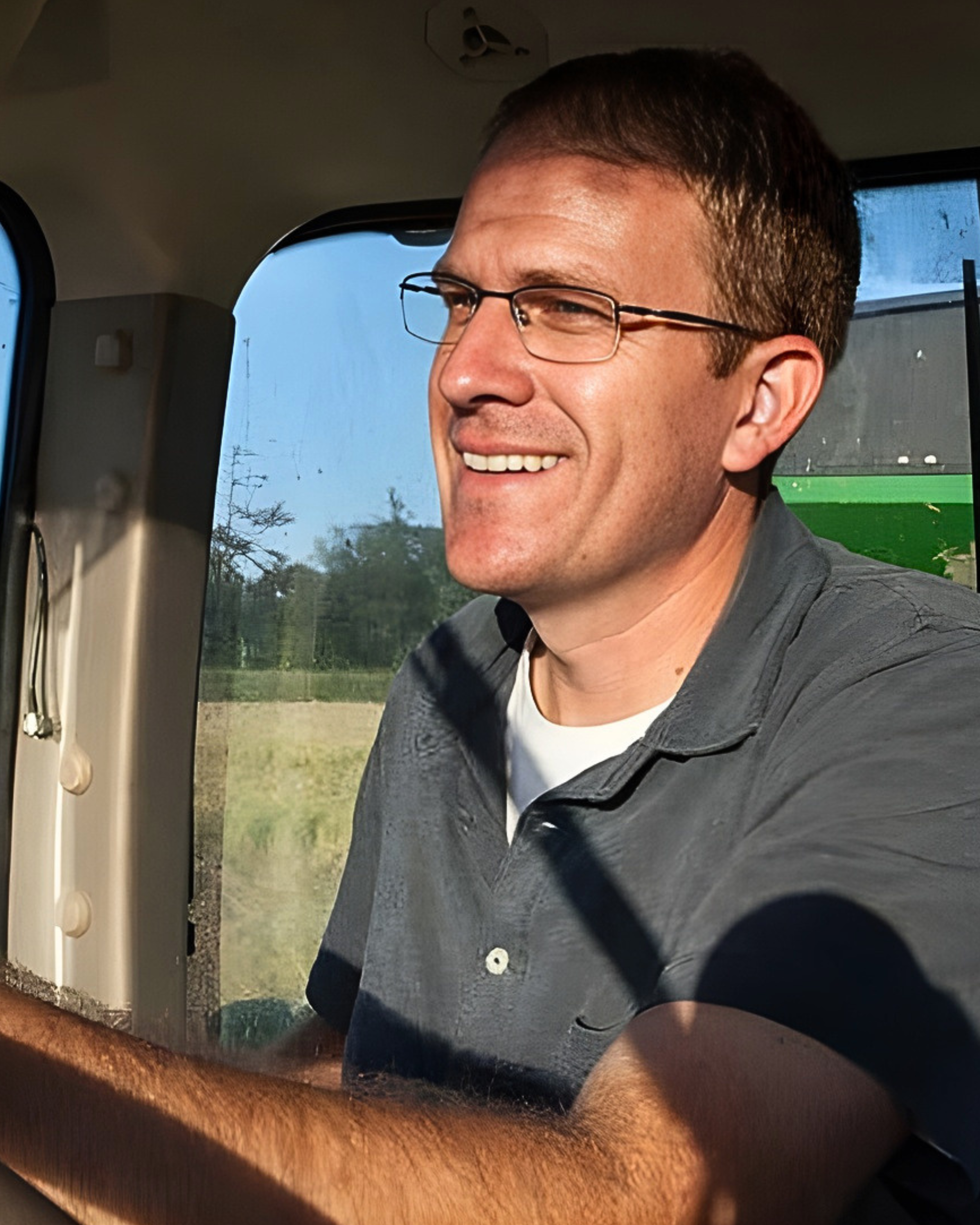
Mark Isbell remembers learning to drive at a young age from a surprising teacher–his grandmother. After school during harvest season, then six-year-old Mark would help drive rice trucks with her from the field to the mill to the grain bins. His job was to shift the gears while his grandmother steered the truck down the dusty roads.
His childhood lessons included more than just standard transmissions. He also learned the value of contributing to our nation’s domestic food supply and developed a passion for continuing the family legacy. These childhood memories help fuel Mark’s dedication to impacting agriculture trade and policy far beyond the family farm.
For the past 70 years, the Isbell family has been growing rice and raising the next generation of agriculturalists in Lonoke County, Arkansas.
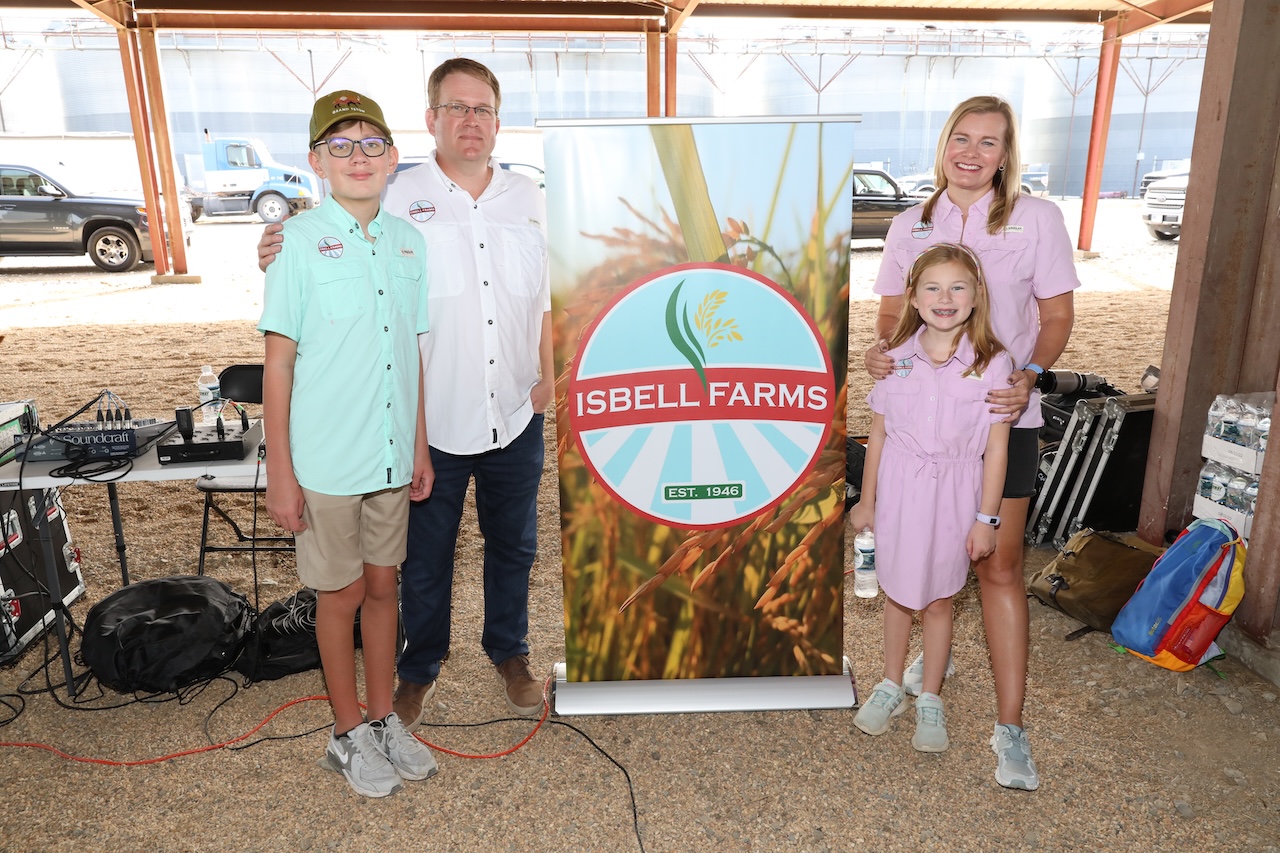
The Isbells began growing rice after Mark’s grandfather, Leroy Isbell returned from serving in World War II. Over the years, their operation expanded to several rice varieties across 3,500 acres. In the late 80’s, Mark’s dad, Chris, started the farm on the path of growing Japanese rice varieties. In addition to long-grain rice, the family also grows a specialty variety used to make Japanese sake.
The history of Isbell Farms runs deep, spanning five generations with trailblazing innovation in sustainability and conservation.
In addition to growing food for the table, the farmland also provides a habitat for migratory waterfowl. Rice cultivation encourages significant biodiversity, and it exemplifies the symbiotic relationship between farmers and the ecosystems they rely on to grow their crops. The Isbells and other rice farmers are at the forefront of conservation and environmental stewardship because their crops—and livelihoods—depend on it.
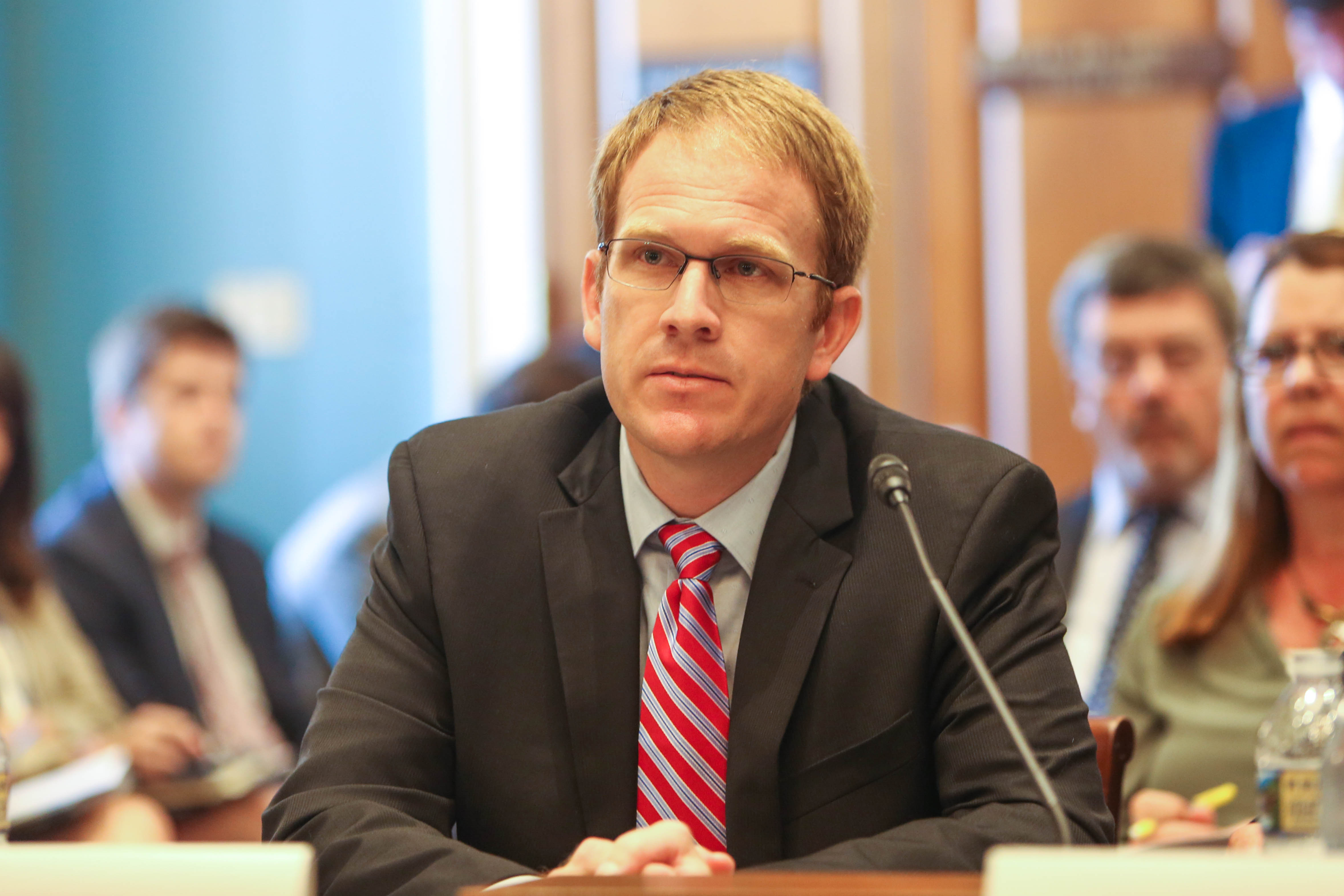
Mark Isbell is eager to advance the rice industry by encouraging research and advocating for the industry. Lawmakers on Capitol Hill rely on his expertise when crafting agriculture policies and have invited him to testify before the Senate Agriculture, Nutrition, and Forestry Committee and the House Committee on Agriculture.
His dedication to encouraging and adopting technology that fosters healthier crops, efficient irrigation and energy use and improved biodiversity is apparent in his daily farming operations and his leadership for the industry at the local, state, and federal levels.
Mark is active in the operation’s expansion to produce rice for emerging markets. The Isbell’s cultivation of Japanese sake rice is an example of their innovation-oriented attitude toward production. The installation of processing equipment allows Isbell Farms to process rice before it goes to brewers in Arkansas and across the nation.
Although the Isbells’ efforts to diversify their operation include value-added projects like sake rice, they still face many of the same challenges as other farmers across the nation.
“It’s very costly to produce food, both in money and in terms of stress and labor,” Mark said.
Some challenges like weather are inherent to the reality of production agriculture. Other challenges also out of producers’ control, have recently hit simultaneously and consistently for the past few years. Extreme market volatility, increasing input costs, and depressed crop prices all apply added pressure to farm families.
Mark noted the “downturn in profitability [is] across the board,” regardless of crops grown or where they live.
While he recognizes the circumstances that he and other farm families face, he also understands and is driven by the necessity of producing a safe and affordable domestic food supply.
“Somebody’s got to do it. If we don’t do it, who will?”
Despite the outlook the industry faces, Mark wants people to know that “farmers are trying to give consumers what they want, in the way that they want, for a price that is reasonable.”
While consumers across the country rely upon American producers to provide food, fuel, and fiber, Mark notes there are also rural communities—and economies—that rely on agriculture to survive. Consumer demand and economic activity is the lifeblood of rural America.
“If we don't support a system that makes sure we still have the ability to maintain farms in the downturns, then what we will see happen is a continual degradation of rural communities throughout the United States.”
To preserve rural livelihoods and food security for all Americans, Mark says that we must prioritize agriculture and recognize the cultural and economic importance of the industry.
“We've got challenges within both the marketplace and within government that are not adequately prioritizing agriculture and not realizing that it's the energy that everybody runs on.”
Mark’s perspective during such a trying time for all of rural America is conducive to understanding the true state of the farm economy. Key to preserving generational farm families like the Isbells—and rural communities like those in Lonoke County—is robust agricultural policy that advances trade, supports farmers in economic downturns, and provides resources in the event of natural disasters.